US States Push Forward on Pro-Crypto Legislation

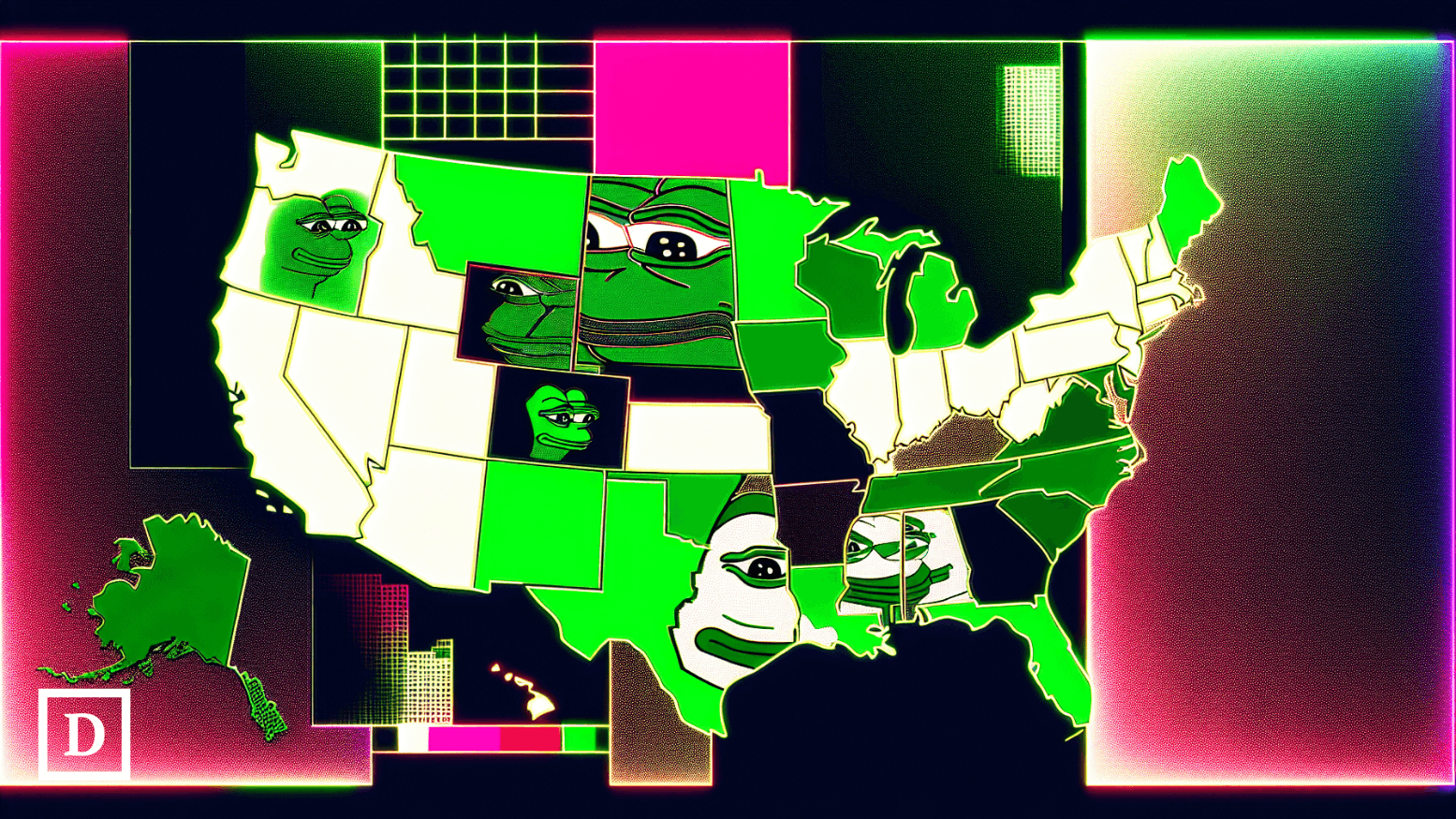
Lawmakers across several U.S. states are ramping up efforts to integrate cryptocurrency into government operations, with new bills and proposals gaining traction this week in North Carolina, New York, and Arizona.
North Carolina's House Bill 920 proposes allowing the use of cryptocurrencies for tax payments and transactions. In New York, Assembly Bill A7788 would more broadly allow residents to pay state fees in crypto. Meanwhile, Arizona's Senate Bill 1236, which aims to protect home crypto mining and AI operations, is advancing to the governor’s desk.
The recent flurry of bills underscores the growing interest among state governments in regulating and adopting cryptocurrency.
North Carolina explores crypto for tax payments
In North Carolina, House Bill 920 — introduced on April 10 and sponsored by State Representative Neal Jackson alongside two co-sponsors — proposes using certain digital assets for state tax payments. If passed, the measure would be titled the North Carolina Digital Asset Freedom Act.
To be eligible, a digital asset must meet several criteria, including a market capitalization of at least $750 billion, a daily trading volume exceeding $10 billion, and listings on multiple regulated U.S. exchanges.
Currently, only Bitcoin, which boasts a market capitalization of $1.3 trillion, meets these requirements. However, the proposed bill doesn’t mention Bitcoin or any other particular crypto asset.
New York bill to legalize crypto for state payments
Similar to North Carolina, New York is also considering a bill that would allow residents to pay state-related charges — including taxes, rent, fees, and penalties — using popular cryptocurrencies.
Introduced by Assemblyman Clyde Vanel also on April 10, Assembly Bill A7788 would let state agencies accept cryptocurrencies that meet certain criteria as a means of payment. The bill specifically mentions that eligible cryptocurrencies include Bitcoin, Ethereum, Litecoin, and Bitcoin Cash.
To account for the operational costs of handling crypto payments, the bill would also permit state agencies to charge a service fee.
Arizona bill protects at-home crypto mining
Meanwhile, in Arizona, House Bill 2342, which aims to safeguard the rights of residents to mine cryptocurrency and run blockchain nodes from their homes, is moving to Governor Katie Hobbs' desk.
The bill, introduced by Rep. Teresa Martinez in January, narrowly passed the Arizona Senate in a 17–12 vote on Thursday.
HB 2342 would make residential crypto mining and node operations a matter of statewide concern, essentially preventing local city or town governments from imposing zoning or usage restrictions.
Earlier this week, in a detailed internal memo with the subject line “Ending Regulation by Prosecution,” the U.S. Department of Justice (DoJ) informed its employees that the agency had disbanded its National Cryptocurrency Enforcement Unit.
Advertisement
Get an edge in Crypto with our free daily newsletter
Know what matters in Crypto and Web3 with The Defiant Daily newsletter, Mon to Fri
90k+ Defiers informed every day. Unsubscribe anytime.