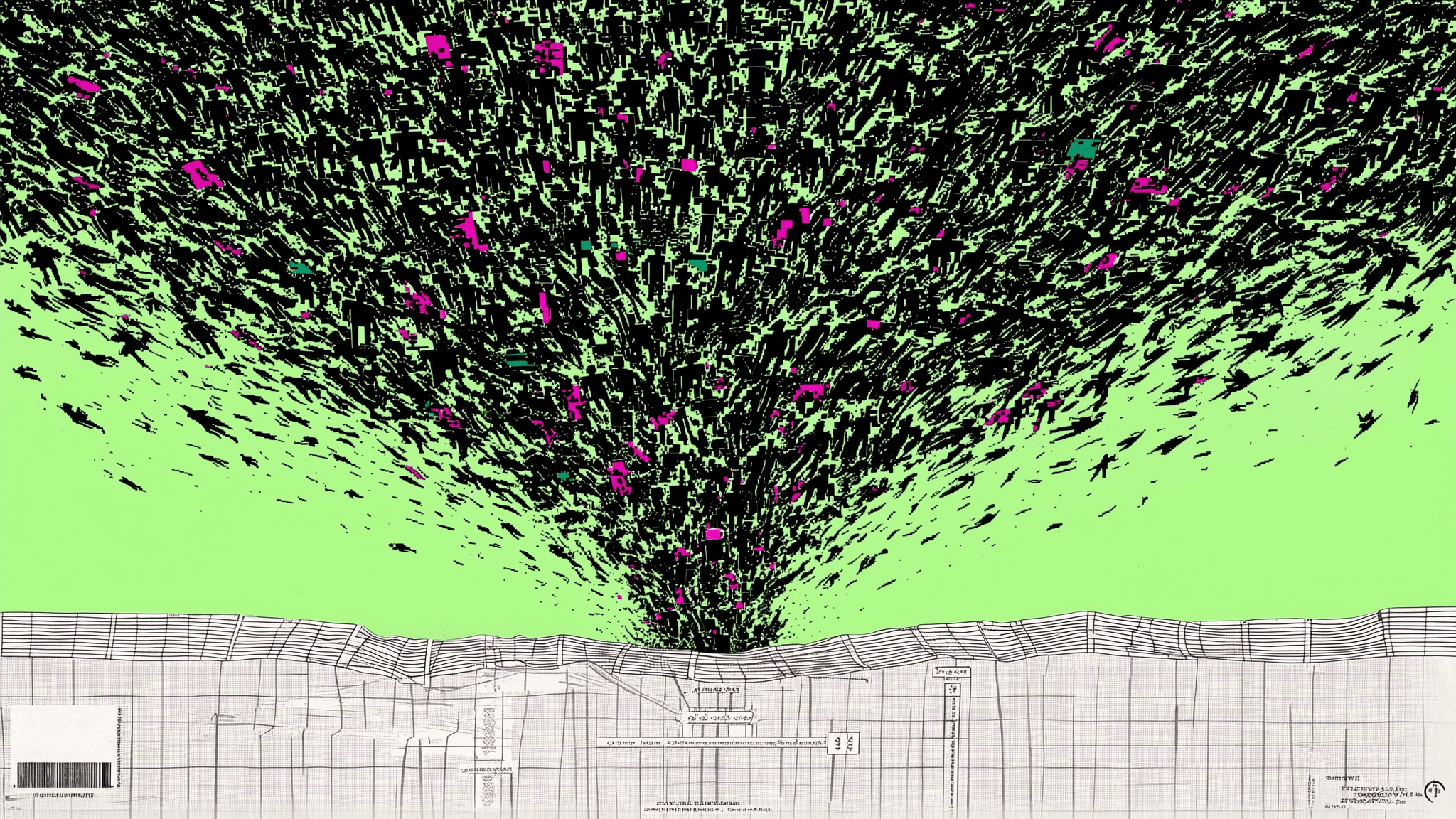
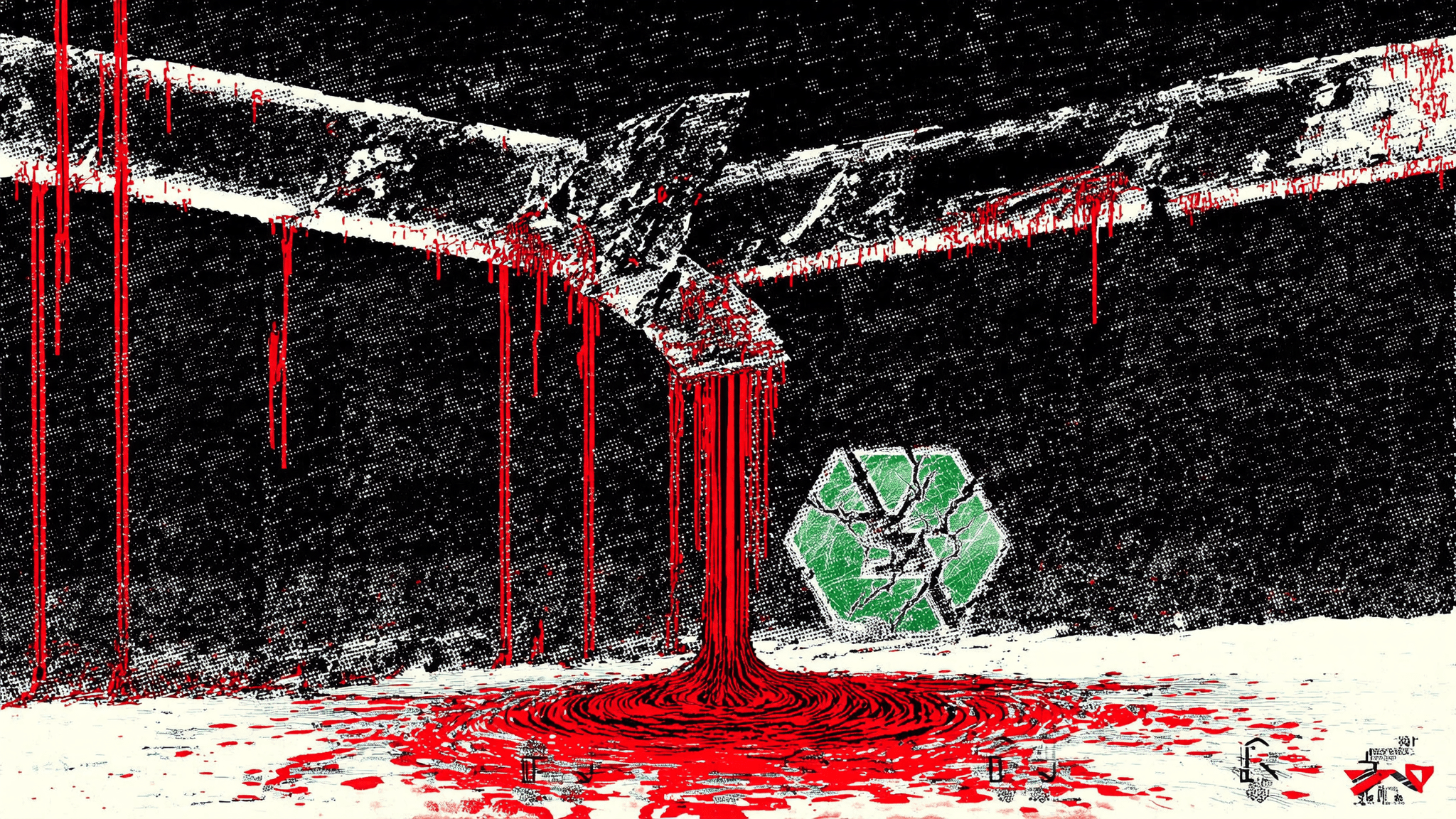
Meme Art: A Digital Revolution in Artistic Expression
SyndicatedMeme art has evolved from being classified as mere entertainment to becoming the signature art movement of the 21st century, reshaping how people exchange ideas and build communities in the digital world. The rise of social media has been the main force behind this shift, with smartphones and online platforms giving users the power to instantly create and share content that resonates across borders.
This increased access to creative expression has given rise to a unique form of art characterised by participation and speed. It is distinct from conventional art not only in its visual style, but also in how it reaches audiences. A meme can be created and shared with millions in a matter of minutes, surpassing the reach of any traditional art medium. Unlike conventional art, which waits for the audience to come to it, meme art seeks them out instead.
Memes as a Creative Voice in Modern Society
First introduced by Richard Dawkins in 1976, the term ‘meme’ referred to ideas or behaviours that were copied by people within a culture. Over time, it has evolved to refer to images and videos that spread rapidly in the digital world, fundamentally changing the way creativity is perceived.
A meme’s charm comes from how a single image can be paired with various texts, infusing it with a new layer to express different ideas. This makes it more like a digital collage, where the meme is a creative transformation of an existing image into a different idea altogether. Beyond this creative aspect, memes also stand out for being instantly relatable, having the ability to resonate with audiences of every generation.
Recent studies show that memes make up about a third of all images shared online. Their reach has allowed memes to emerge as one of the most impactful creative mediums today, able to capture evolving social sentiments and trending conversations. Moreover, they also serve as a modern form of social critique, offering insight into cultural, societal, and political issues.
What makes memes so potent is their speed; they cross borders, languages, and communities faster than anything traditional media can manage. With their blend of quick symbolism, humour and irony, memes echo the fast-paced nature of modern digital communication, positioning meme art as the defining artistic movement of the 21st century- one that reflects the pace, humour and complexity of modern life.
Peyote’s Role in Bridging Memes and Art
A new distinction is emerging between trending memes and intentional pieces of contemporary art. Beyond their viral appeal, memes are increasingly getting attention in art galleries, festivals, and academic discussions to be analyzed as legitimate forms of art.
At the same time, the rise of meme art is rewriting the rules of who gets to create and share art. In traditional settings, curators, critics, and galleries usually decide which artworks will come under the spotlight; however, meme culture thrives in digital realms, spreading freely through social platforms and online communities. This shift has transformed artistic gatekeeping from closed institutions to open digital spaces where meme art evolves and grows in a democratic creative field through community participation. With this accessibility and broad appeal, meme art has established itself as a key movement in the digital landscape of the modern era.
Such recognition is enabling meme art to evolve into a unique form of artistic practice with distinct creative techniques, styles, and methods. This shift has opened the door for artists to explore meme-making with more depth and creativity, where a number of artists have begun to stand out for the way they approach memes with the thoughtful attention that a painter dedicates to their canvas. Peyote stands out as a notable example amongst them. His portfolio demonstrates purposeful design and thoughtful curation, sitting comfortably between being characterised as viral content and artistic expression. His work is helping shape how meme art is perceived and valued, elevating the medium and establishing its standards for the 21st century. Through experimentation with form and content, he shows that memes can carry real artistic weight rather than being treated as just digital content.
As the boundaries of art continue to expand and digital culture becomes ever more dominant, memes are set to become even more influential. Artists like Peyote demonstrate that within this chaotic torrent of online creativity, it is possible to create work that is recognised as serious, inventive, and culturally significant. By merging casual sharing with intentional creativity, meme art is redefining how coming generations of artists and audiences will value and understand art itself.
Advertisement
Free newsletters
Good reporting. Delivered.
Choose your coverage: crypto and DeFi, the future of finance, or both.
Free. Unsubscribe anytime.