Tether Unveils an All-American Stablecoin
Olivia Capozzalo & Christopher Storaker
September 12, 2025
Happy Friday, Defiers!
Today’s big story:
- Tether CEO Paolo Ardoino just announced the firm is launching a GENIUS-compliant USD stablecoin, USAT, specifically for U.S. markets.
In other news:
- OpenSea quietly doubles trading fees
- SOL/BTC ratio reaches highest level since February
- Pendle’s kHYPE market surpasses $1 billion in TVL
- Ethereum L2 MegaETH names its “primary Bitcoin partner”
- DeFi diehards unite in their disdain for corp chains [FEATURE]
- Goat Network: The future of Bitcoin DeFi and sustainable BTC yield [SPONSORED]
Read more below! But first, please give our sponsors some love; they make this newsletter possible.

Stellar Core Upgrades Pave Path to 5000 TPS and 2.5 Second Block Time
The Stellar network has always been one of the cheapest, but now it looks like the network upgrades will halve block time and increase throughput by parallelizing Stellar core. With planned upgrades, the Stellar network will incorporate new core advancement protocols that bring this performance even closer to reality.
READ MORE: Parallelizing Stellar Core: The First Step Toward 5000 TPS
We’re back! Here’s what you need to know in web3 today
📈 Markets in the Last 24 Hours
| TICKER | VALUE | 24H | |
|---|---|---|---|
 | Bitcoin | $115,201 | 0.72 % |
 | Ethereum | $4,543.56 | 2.56 % |
 | XRP | $3.04 | 1.38 % |
 | Solana | $240.38 | 5.95 % |
 | BNB | $908.34 | 1.06 % |
Today’s Big Story
Tether’s All-American Red Herring
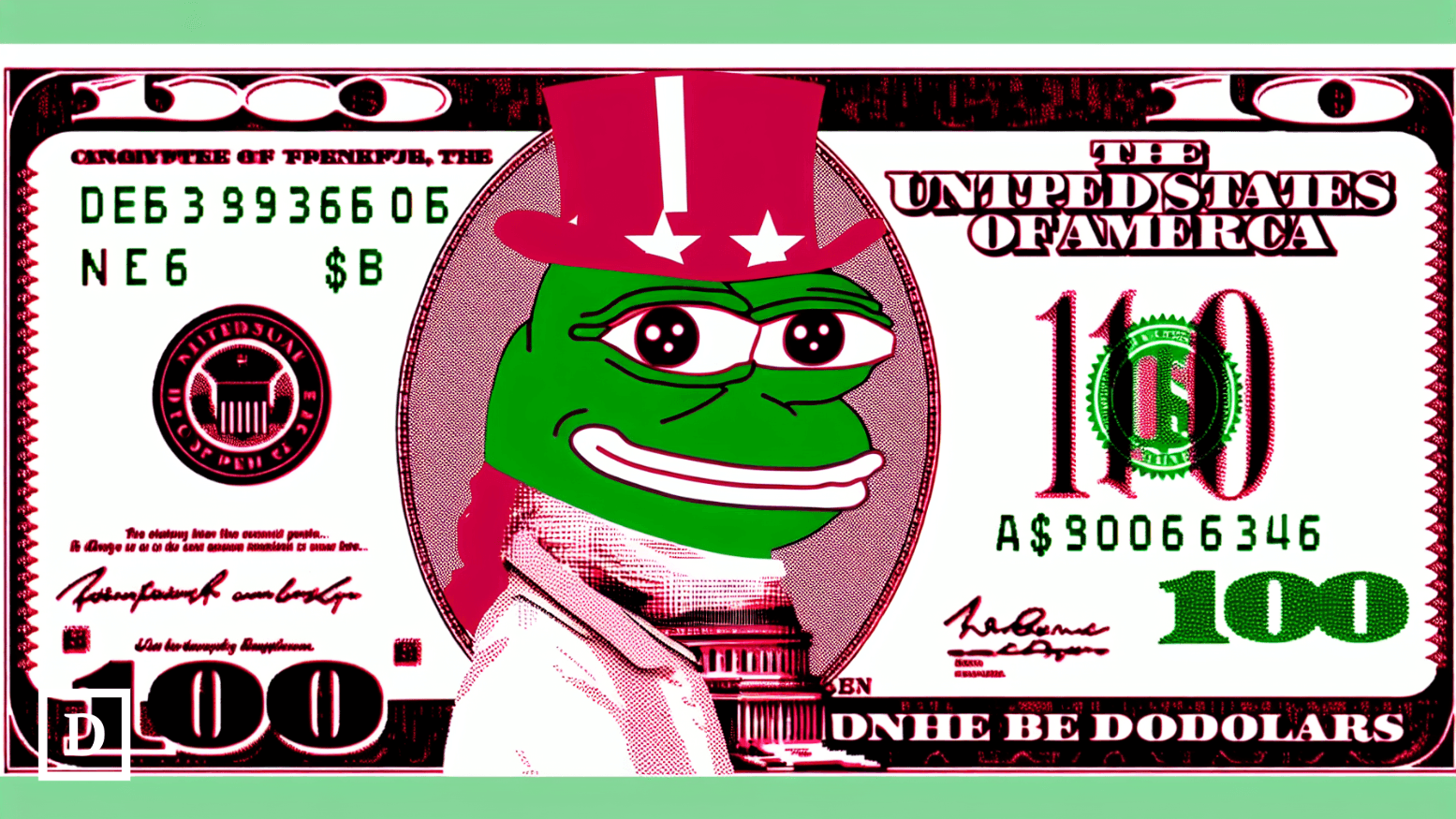
Tether has unveiled $USAT, a flag-waving all-American, U.S.-compliant stablecoin designed to meet every requirement of the new Genius Act: cash and Treasuries only, GAAP audits, OFAC enforcement, U.S. domicile, and went as far as to appoint Trump’s former digital asset advisor, Bo Hines, as its CEO.
On the surface, it looks like Tether’s pivot into compliance. But to understand what’s really happening, let’s consider the three worlds where stablecoins operate.
- The compliant zone. This is where U.S. institutions live — banks, fintechs, globally-regulated funds. They already prefer Circle’s USDC, PayPal’s PYUSD, or eventually bank-issued tokens. Tether has never competed here; adding USAT may give it a seat at the table, but it’s late to the party.
- The grey zone. This is Tether’s sweet spot, and where most of its trading volume comes from. Offshore exchanges in Asia and MENA, OTC brokers in Hong Kong and Dubai, dollar-hungry savers in Argentina and Turkey. In these markets, demand for a digital dollar is real, and U.S. rules are too rigid to accommodate it. USDT dominates here because it’s flexible: willing to serve markets where wires don’t reach, but not so reckless as to ignore real criminal risk.
- The dark zone. Truly illicit finance. Chainalysis reports that stablecoins accounted for 63% of illicit crypto transaction volume last year. Here, Tether has shown it does comply, freezing addresses linked to terrorism, hacks, or sanctioned actors. Contrary to myth, USDT is not lawless: it cooperates with law enforcement when needed.
The moat is the grey zone. If Tether forced USDT into full U.S. compliance, it would lose this distribution advantage overnight. Mandatory KYC, proactive OFAC, and regulator sign-off on counterparties would cut off the very exchanges and brokers that make USDT indispensable across emerging markets.
The reserves' story just makes the pill even harder to swallow. According to its June audit, $30B (16–18% of Tether’s $162B reserves) sit in non-compliant assets. Replacing them with Treasuries would slash yields by 0.3–0.7% portfolio-wide, or $0.5–1.1B in lost annual profit. That’s 10–20% of earnings gone, and worse if Treasury rates fall.
So yes, USAT is a new coin “built for Americans.” But is it really? Americans already have the dollar for payments. Institutions already have USDC. Maybe USAT will power its way to becoming trading collateral, backed by Tether’s much larger war chest ($13B+ reserve profits vs. Circle’s $658M before distribution payments). Or maybe, as critics argue, USAT is just a shiny object for Washington, while USDT remains the real business, keeps markets where dollars are needed most and heavy-handed regulators can’t reach.
Stay real,
Chris, Product and RWAs at The Defiant
This story is a teaser for our weekly newsletter about stablecoins and RWAs, Real World. Subscribe to read the rest of this analysis, and make sure you don’t miss the next one.
🎬WATCH
Solana’s Rise as a Treasury Powerhouse: DeFi Development Corp’s Bold Strategy
On the latest episode of The Defiant Podcast, Cami sat down with Joseph Onorati, CEO of DeFi Development Corp, the second-largest Solana treasury company. Joseph shares the journey of transforming DeFi Development Corp into a Solana-focused treasury powerhouse, their innovative yield strategies, and why Solana's volatility and native yield make it a compelling treasury asset.
We also dive into the broader case for crypto treasury companies, the risks and rewards of staking strategies, and the future of Solana in the blockchain ecosystem. Plus, Joseph shares his bold prediction: Solana flipping Ethereum by market cap.
Top News in the Past 24 Hours
- OpenSea Quietly Increases NFT Fees by 100% Ahead of SEA Token Launch NFT marketplace OpenSea is doubling trading fees from 0.5% to 1% just weeks before the debut of its native SEA token. Why it matters: By raising fees, OpenSea may be shooting itself in the foot, as rival marketplaces either have zero fees or a more competitive 0.5%.
- SOL/BTC Ratio Reaches Highest Level Since LIBRA Scandal in February Solana’s euphoric post-TRUMP memecoin run to all-time highs was quickly thwarted by a number of massive memecoin scams and investor unlocks. But six months later, the token is surging against BTC again. Why it matters: Solana’s outperformance is likely catalyzed by traders and investors front-running the incoming Solana DATs.
- Pendle’s Kinetiq Markets Surpass $1 Billion Yield tokenization platform Pendle and Hyperliquid’s leading liquid staking protocol, Kinetiq, continue to benefit from each other as Pendle’s Kinetiq staked HYPE (kHYPE) market TVL crosses the $1 billion milestone. Why it matters: Traders are likely speculating on a future Kinetiq airdrop, as they get potential airdrop points from Kinetiq for holding kHYPE yield tokens on Pendle.
- MegaETH Names Lombard as Primary Bitcoin Partner Ahead of Mainnet Launch MegaETH has selected Lombard Finance – a protocol that lets users earn yield on their Bitcoin — as its primary Bitcoin partner. Users will be able to mint and redeem Bitcoin directly on MegaETH’s Ethereum Layer 2 network without relying on custodial wrappers. Why it matters: The move highlights efforts to expand Bitcoin’s role in DeFi.
- Feature: Decentralization Diehards Unite in Their Critique of Corporate L1s Like Tempo The new wave of so-called corp chains from Stripe, Circle, Google and others is seeing a wave of criticism from crypto veterans and decentralization diehards
Trending on The Defiant
- Ethereum Validator Exit Queue Spikes 150% as Kiln Unstakes All Its ETH
- Sonic TVL Plummets 67% Since May as Token Slumps
- Linea Token Launches at $500 Million Market Capitalization
- PUMP Soars to Highest Price Since Opening Week
- Dragonfly Partner Suggests Hyperliquid Stablecoin Competition is Rigged
- Optimism Scores Another Big Deal as Ronin Joins Its L2 Stack
That’s it for today — if you enjoyed this newsletter, tell your friends! https://thedefiant.io/subscribe
Free newsletters
Good reporting. Delivered.
Choose your coverage: crypto and DeFi, the future of finance, or both.
Free. Unsubscribe anytime.