JPMorgan files for tokenized MMF aimed at stablecoin issuers
Plus, Clarity Act draft gains Senate momentum

TL;DR:
- JPMorgan files for tokenized MMF for stablecoin issuers
- Senate crypto bill advances with strong support
- Aave V4 proposes native BTC borrowing via Babylon
- Kelp DAO burns exploiter's rsETH, maps two-week recovery
- BChat: A Decentralized Privacy Messenger Built on the Beldex Network [Media Partner]
Let’s dive in.
In TradFi, JPMorgan filed for its own tokenized money market fund aimed at stablecoin issuers, landing barely three weeks after Morgan Stanley launched its Stablecoin Reserves Portfolio. The race for the back-office layer of the stablecoin economy is officially on, and the bulge bracket is racing each other for the same product slot.
Washington kept moving too. A day after the Senate Banking Committee released the full 309-page Clarity Act draft, Coinbase CEO Brian Armstrong said the bill has gained significant Senate momentum — crediting bipartisan staff work and the 3.7 million Stand With Crypto advocates pushing on the Hill. A markup vote is on the calendar for tomorrow.
In DeFi, Aave kicked off a governance temp-check for a new Bitcoin spoke in V4, powered by Babylon, that would let users borrow against native BTC without wrappers or centralized custody — a long-standing pain point in BTC-backed lending. On the recovery front, Kelp DAO burned the rsETH held by last week's exploiter on Arbitrum and committed to a two-week timeline to refill liquidity via Aave's Recovery Guardian multisig before reopening withdrawals.
Read more below

Nexo is a digital wealth platform offering crypto yield up to 15% and crypto-backed credit lines from 1.9%. Join and get 30-day access to exclusive rates. Terms apply.
| TICKER | VALUE | 24H | |
|---|---|---|---|
 | BTC | $79,584 | ▼ 1.47% |
 | ETH | $2,265.89 | ▼ 0.80% |
 | BNB | $675.03 | ▲ 0.90% |
 | XRP | $1.43 | ▼ 0.65% |
 | SOL | $91.23 | ▼ 3.67% |
Forwarded this newsletter? Subscribe for daily insights and curated news from The Defiant team, Monday-Saturday. It’s free.
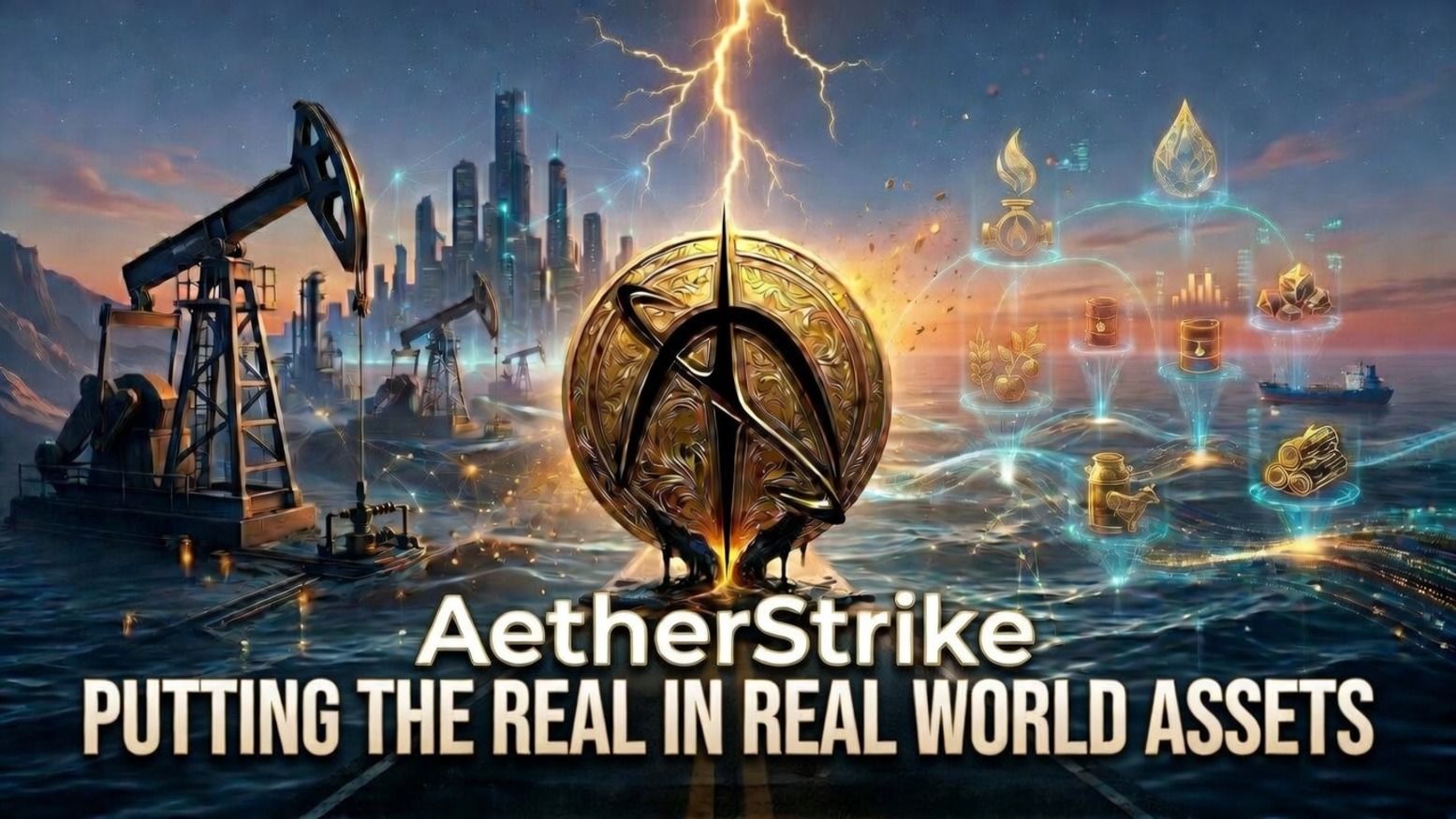
The tokenized commodity resource reserve is here.
The RWA layer for commodities is no longer theoretical. AetherStrike's Dynamic Resource Reserve Unit (DRRU) is a direct claim on revenue associated with one unit of in-ground resource. Regulated as a security, issued on Ethereum under ERC-3643 via Tokeny's T-REX protocol, held in institutional-grade custody, certified by a top-tier independent engineering firm.
Strike 1 is oil sands in Utah, operated by Valkor Oil and Gas under a fee-for-service arrangement. Next: natural gas. Then precious metals, critical minerals, and forestry.
If you've ever wanted a regulated, on-chain claim on real resources in the ground, this is the first one. Not a wrapper. Not a synthetic. Not a paper promise.
Register your interest at aetherstrike.com.
Is DeFi Worth the Risk?
Watch the full livestream here:

Camila Russo — Co-Founder, The Defiant is joined by Mauricio Di Bartolomeo (co-founder & CSO, Ledn), Santiago Roel Santos (founder & CEO, Inversion), and Daniele Ugolini (co-founder, Rysk Finance).
JPMorgan Files Second Tokenized Money Market Fund for Stablecoin Issuers
JPMorgan filed Tuesday to launch a tokenized money market fund designed for stablecoin issuers, landing roughly three weeks after rival Morgan Stanley's Stablecoin Reserves Portfolio. The fund is positioned to provide yield-bearing reserve infrastructure for stablecoin operators, plugging directly into a market segment that has ballooned alongside on-chain dollar demand.
Why it matters: Two Wall Street behemoths are announcing that stablecoins are here to stay.
Crypto Bill Advances in Senate With Strong Support: Brian Armstrong
Coinbase CEO Brian Armstrong said today that the Senate's crypto market structure bill has cleared a significant hurdle, calling the legislation "strong" and beneficial for the US financial system. Armstrong credited the Senate Banking Committee's staff and the 3.7 million Stand With Crypto advocates for the momentum. A formal markup vote is on the calendar for Thursday.
Aave Proposes Babylon-Powered Native BTC Borrowing Spoke for V4
Aave opened a governance temp-check to add a dedicated Bitcoin spoke powered by Babylon in V4, letting users borrow against native BTC without wrapped tokens or centralized custody. Bitcoin remains the largest crypto collateral base, but on-chain BTC borrowing has historically forced users through WBTC, cbBTC, or other custodial intermediaries. The Babylon integration would make Aave the first major lending market to onboard native BTC at scale.
Why it matters: Native BTC in DeFi without wrappers has been a ‘holy grail’ product for years.
Kelp DAO Burns Exploiter's rsETH on Arbitrum, Plans Two-Week Withdrawal Reopening
Kelp DAO burned the rsETH tokens held by last week's exploiter and laid out a two-week timeline to restore protocol liquidity and reopen paused withdrawals. The protocol will use Aave's Recovery Guardian multisig to refill rsETH reserves during the recovery window before normal operations resume.
Why it matters: A protocol-led recovery proves DeFi can move fast when it has to.
BNB Chain Unveils On-Chain Agent Identity and Payment Framework With ERC-8004 Standard
BNB Chain rolled out a comprehensive agent framework today built around ERC-8004 for decentralized agent identity, ERC-8183 for inter-agent task delegation, and a public reputation registry at 8004scan. The system supports peer-to-peer agent payments and hierarchical agent relationships, with native BNB Chain skill modules already integrated.
Why it matters: If AI agents are going to be real economic actors, they need verifiable identity and payment rails.
Trending on The Defiant
- BlackRock Files for New Tokenized Fund With SEC, Taps Securitize Again
- Court Greenlights Arbitrum DAO Vote to Move $71M in Recovered Kelp ETH to Aave
- Circle Releases Q1 2026 Earnings Call Recap: Co-Founder Allaire Discusses Results
- NEAR Intents Expands Crosschain Swaps to Support 100+ Tokens Into Zcash: NEAR
- xStocks Assets Surge Past $100M on Ethereum, $30M on BNB Chain: xStocks
That’s it for today — if you enjoyed this newsletter, tell your friends! https://thedefiant.io/subscribe
Free newsletters
Good reporting. Delivered.
Choose your coverage: crypto and DeFi, the future of finance, or both.
Free. Unsubscribe anytime.