DeFi's Curator Model Faces Scrutiny
Plus, Polymarket cracks down on insider trading
Camila Russo & Olivia Capozzalo
March 23, 2026
Happy Monday, Defiers!
Today’s big story:
- Tasked with overseeing onchain strategies for depositors, curators were meant to be DeFi-native hedge fund managers. The model in general has been working great – except for the few times when it hasn’t.
In other news:
- Polymarket revamps insider trading rules
- NovaBay pivots from pharma to SKY treasury company
- World Gold Council proposes shared infra to boost tokenization
- Enterprises Are Finally Moving Their Businesses Onchain: RJ Catalan of Aligned [MEDIA PARTNER]
Read more below! But first, please give our sponsors some love; they make this newsletter possible.

Aligned is the Ethereum migration stack. One suite - rollups, wallets, interoperability, and ZK verification - for businesses building real financial products on Ethereum. Aligned token sale is coming soon, join the whitelist.
We’re back! Here’s what you need to know in web3 today
📈 Markets in the Past 24 Hours
| TICKER | VALUE | 24H | |
|---|---|---|---|
 | Bitcoin | $70,903 | 4.32 % |
 | Ethereum | $2,149.47 | 4.52 % |
 | XRP | $1.43 | 3.32 % |
 | BNB | $639.06 | 1.97 % |
 | Solana | $91.43 | 6.07 % |
Today’s Big Story
The Curator Problem
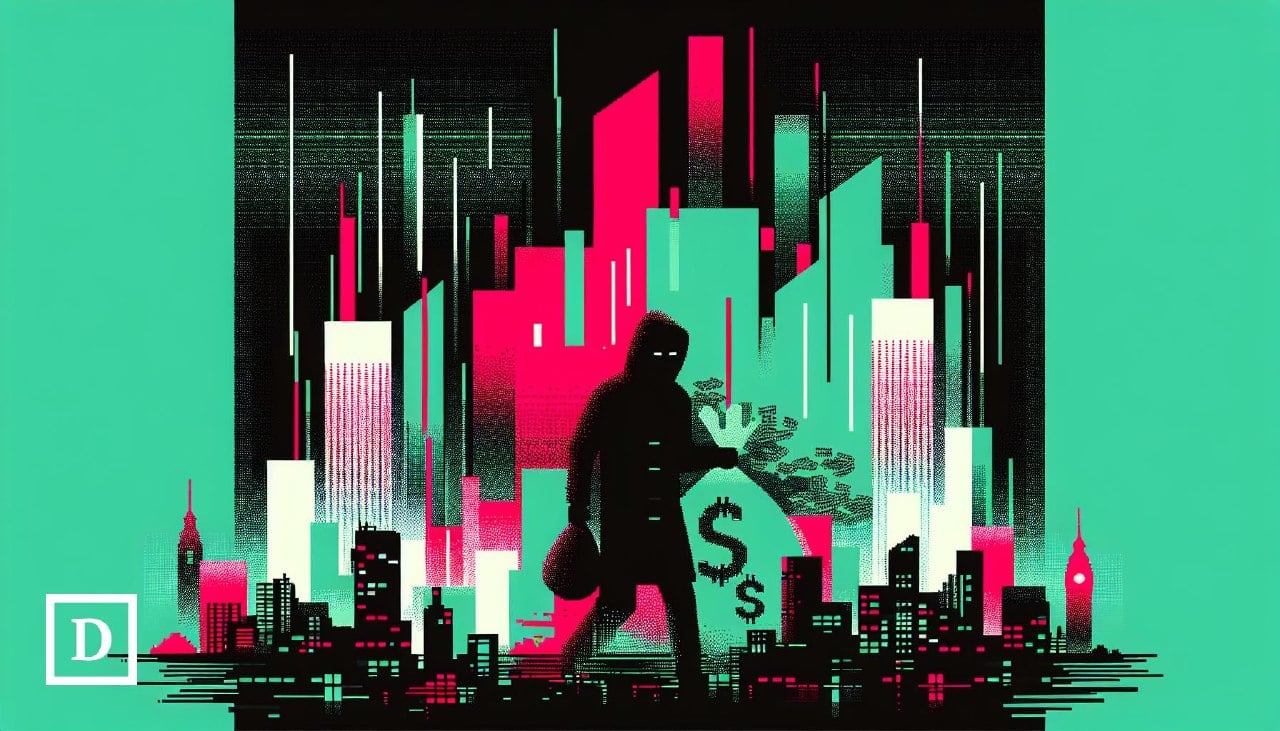
In the past year, a new role has emerged in DeFi: The Curator. Tasked with overseeing onchain strategies for depositors via “vaults,” they were meant to be DeFi-native hedge fund managers. The model in general has been working great – except for the few times when it hasn’t. Sunday’s Resolv hack was the latest case when the system's cracks showed.
The Resolv hack, where $25 million got extracted in seventeen minutes, the USR stablecoin cratered to two cents, and 15 Morpho vaults were caught in the blast radius, wasn't a smart contract exploit. The code worked perfectly. The failure was a compromised key and an off-chain signing role that could authorize unlimited token mints, controlled by a single wallet with no spending cap and no multisig protection.
By now, you've seen the mechanics. What I keep coming back to is what happened after the mint: how the damage spread through the DeFi lending ecosystem, as we've watched play out at least four times in the past fourteen months.
When wstUSR collapsed, every Morpho vault that had accepted it as collateral was still pricing it near $1.13. The oracle (a daily NAV push from Resolv's own price storage contracts) had frozen when the protocol paused. The gap between that $1.13 and the market price of a few cents was, as Chaos Labs founder Omer Goldberg put it, a free ATM. Buy cheap wstUSR on Curve, post it at oracle value on Morpho, borrow USDC at near-full LTV, walk away. The result was tens of millions of bad debt.
We have been here before. USD0++ in January 2025, when MEV Capital hardcoded Usual's yield-bearing bond at $1 on Morpho, while a co-founder of Usual was also a stakeholder in MEV Capital. xUSD in November 2025, when curators including MEV Capital and Re7 Labs routed USDC deposits into leverage loops backed by Stream Finance's synthetic stablecoin, which turned out to be backed by nothing after a fund manager lost $93 million of user funds on a margin call. Moonwell, twice, from oracle misconfigurations.
The curator model was supposed to fix this. In theory, specialist risk managers deploy vaults, set parameters, choose oracles, and compete on track record. The protocol is neutral, while the curator is accountable. The argument is that this architecture is better than monolithic protocols that gatekeep listings, more capital efficient, and more composable.
In practice though, curators earn fees on yield generated. Higher yields attract more deposits. Accepting riskier collateral — yield-bearing stablecoins promising 15% APY, synthetic dollars with leverage loops — means more assets under management and more fee income. The downside when a stablecoin depegs falls on depositors. The curator's own capital is rarely at risk.
As Marc Zeller of Aave put it bluntly after the Resolv incident: "I think the curator industry is poorly designed because there's not actual curation happening."
DeFi has a tendency to respond to structural failures with better documentation and more sophisticated wrappers around the same underlying assumptions. What the Resolv incident demands for the fifth time in fourteen months is a harder question: what does it actually mean to curate risk, and who pays when it goes wrong?
The answer right now is: depositors pay. Maybe the answer is better risk disclaimers and information. Maybe it’s a different incentive system for curators. But DeFi is growing up, and we definitely need more guardrails.
With love,
Cami, founder of The Defiant
Forwarded this newsletter? Subscribe for daily insights and curated news from The Defiant team, Monday-Saturday. It’s free.
🎬WATCH
How the DTCC is Tokenizing $100 Trillions in Assets | Tom Sullivan
In this episode of The Defiant Podcast, Cami sits down with Tom Sullivan, Managing Director at DTCC Digital Assets.
Tom explains DTCC’s role as the trusted infrastructure behind much of the U.S. securities market, why blockchain has become a real infrastructure priority, and how tokenized assets could improve collateral mobility, settlement efficiency, and capital efficiency across global markets.
Watch the full interview:
Top News in the Past 24 Hours
Polymarket Tightens Insider Trading Rules
Polymarket on Monday announced updated market integrity rules across both its DeFi platform and its CFTC-regulated U.S. exchange, amplifying requirements governing insider trading and market manipulation.
Why it matters: The prediction market has faced regulatory pressure and scrutiny over suspicious bets.
NovaBay Rebrands as 'Stablecoin Development Corporation' With Nearly 9% of SKY Supply
NovaBay Pharmaceuticals is changing its name to Stablecoin Development Corporation and its NYSE American ticker to SDEV, effective April 3.
Why it matters: The company holds approximately 2.06 billion SKY tokens — roughly 8.78% of the total supply.
World Gold Council Proposes Shared Infrastructure for Tokenized Gold Products
A white paper co-authored with BCG proposes a platform called "Gold as a Service" — an open middleware layer connecting physical gold custody with the digital systems used to issue and manage gold-backed products.
Why it matters: Interest in tokenized gold is surging after the metal gained 64% in 2025, its best performance in decades.
Trending on The Defiant
- World Liberty Financial Launches Toolkit to Let AI Agents Spend USD1
- Electric Capital Maps 501 Real-World Yield Sources, Finds 93% Untouched by DeFi
- Coinbase Launches Stock Perpetual Futures for Non-U.S. Users
- World Gold Council Proposes Shared Infrastructure for Tokenized Gold Products
- Privy Taps Deframe by Pods to Unlock DeFi Yield Strategies
- Solana Foundation President Says Web3 Gaming 'Is Not Coming Back'
That’s it for today — if you enjoyed this newsletter, tell your friends! https://thedefiant.io/subscribe
Free newsletters
Good reporting. Delivered.
Choose your coverage: crypto and DeFi, the future of finance, or both.
Free. Unsubscribe anytime.