Arbitrum Froze $70M of Stolen Funds. Was it Wrong?
Plus, Base announces Azul upgrade
Olivia Capozzalo & Camila Russo
April 22, 2026
gm, Defiers!
Today’s big story:
DeFi continues to debate Arbitrum’s decision to freeze ETH linked to the Kelp exploit — was it the right move for a decentralized chain?
In other news:
- Base pushes toward Stage 2 with Azul
- SparkLend TVL surges by $1.4B since Kelp exploit
- Polymarket, Kalshi plan to launch perp trading
- On-chain trading still feels clunky. It doesn’t have to be that way [MEDIA PARTNERSHIP]
- Bitcore to launch first privately-issued ILS stablecoin [MEDIA PARTNERSHIP]

Nexo is a digital wealth platform offering crypto yield up to 15% and crypto-backed credit lines from 1.9%. Join and get 30-day access to exclusive rates. Terms apply.
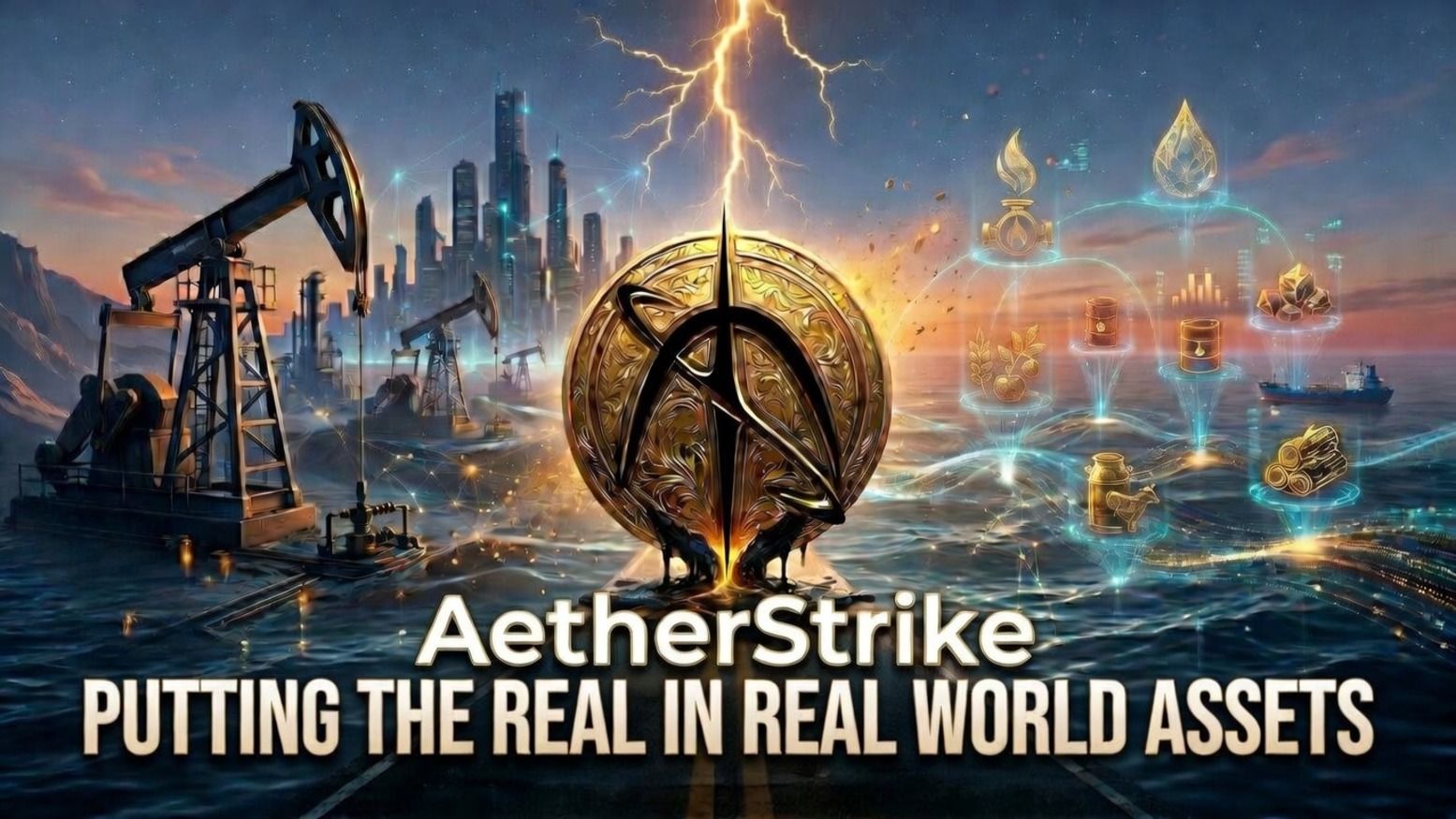
The RWA layer is finally here for commodities.
Most "Real World Asset" projects tokenize paper. Treasuries, receivables, stocks. AetherStrike tokenizes the asset itself.
Trillions of dollars in proven natural resources sit locked in the ground, illiquid for producers and inaccessible to most investors. Traditional financing is slow, expensive, and exclusionary.
AetherStrike converts independently certified commodity resources into regulated, on-chain securities. Each Dynamic Resource Reserve Unit (DRRU) is a direct claim on the revenue associated with one unit of in-ground resource, verifiable on Ethereum. Issued via Tokeny's T-REX protocol, certified off-chain by independent engineers.
Not a wrapper. Not a synthetic. The asset itself.
Oil sands today. Natural gas next. Precious metals, critical minerals, and forestry after.
Register your interest at aetherstrike.com.

Can privacy and transparency coexist on public blockchains? Our documentary with RektHQ and Stellar dives into crypto’s “privacy trilemma” exploring the trade-offs, innovations, and what’s at stake.
Watch the trailer here
| TICKER | VALUE | 24H | |
|---|---|---|---|
 | BTC | $78,944 | ▲ 4.46% |
 | ETH | $2,398.14 | ▲ 3.87% |
 | XRP | $1.45 | ▲ 2.02% |
 | BNB | $645.95 | ▲ 2.59% |
 | SOL | $88.19 | ▲ 3.79% |
The Arbitrum Debate Answer: Rules, Not Rulers
Depending on who you ask on X, the crypto industry either just saved or doomed itself after Arbitrum's 12-member Security Council executed an emergency freeze on 30,766 ETH, or about $70 million. It’s money that had been routed through Arbitrum One after North Korean attackers drained roughly $292 million from Kelp DAO's LayerZero-powered bridge.
The pro-freeze camp says if a system has the power to reclaim stolen funds and diminish user losses, then it should. The Anti-freeze camp says if a council can freeze Lazarus today, it can be compelled to freeze anyone tomorrow and the chain is no longer neutral.
One key argument I haven’t seen is: rules, not rulers. I’ll explain, but first let’s briefly unpack both camps.
The defenders of the freeze have a case. The funds were headed to a sanctioned state actor. The council acted narrowly, didn't touch ordinary users, and can't redirect the funds without a DAO vote. Dragonfly’s Haseeb Qureshi said, “Decentralization is not a suicide pact.” Helium’s Mert said, “having the means of control but pretending to not use them to virtue signal and appease terrorists would be the much worse and dishonorable outcome.” In their view, if a system can respond to nine-figure theft by a nuclear-armed regime, then it should.
The critics have a case too. Gabriel Shapiro has pointed out that freezing funds to unwind a hack calls into question DeFi's entire premise — peer-to-peer finance without middlemen who can censor. Curve's Michael Egorov added that if a council can freeze anyone, the chain is “not neutral infrastructure.” Today's exploiter is Lazarus. Tomorrow's could be a dissident, a political opponent, or whomever the next subpoena names.
Both are right. That's why the answer isn't to pick a side.
Not every L2 has to look the same. Ethereum's rollup roadmap and L2Beat codify the distinctions with the Stage 0 / Stage 1 / Stage 2 framework. Stage 1 rollups, by design, have a Security Council that can intervene. Stage 2 rollups don't.
Let some L2s be unapologetically Stage 2: truly trust-minimized and permissionless. Users who want that guarantee will know exactly what they're getting, and they'll route the activity that demands it accordingly. Let others operate at Stage 1 with active security councils. Builders and users who want a safety net for black-swan events can opt in with eyes open. A pluralistic L2 landscape is more honest than one where every chain claims "decentralized" while quietly keeping the keys.
But here’s what I think has been missing from the discussion: If you're going to run a security council, the rules for when it acts must be pre-committed and public. Not vibe check after the fact. Triggers should be objective and verifiable.
For example, funds attributable to sanctioned entities through published chain-analysis standards, mandatory DAO ratification within a fixed window, automatic reversal if ratification fails. Traditional finance already runs on this logic, from clearinghouse default waterfalls, to SEC circuit breakers, to CDS triggers. Every one of them replaces human discretion with a rulebook everyone signed up to in advance.
Arbitrum's freeze may well have been the right call. But next time, that “right call” should be codified and predictable.
With love,
Cami, founder of The Defiant
Forwarded this newsletter? Subscribe for daily insights and curated news from The Defiant team, Monday-Saturday. It’s free.
Join us to debate the Arbitrum question live, tomorrow, April 23, at 12pm EST on The Defiant’s X and YouTube channel.

Base Pushes Toward Final L2 Stage with First Independent Upgrade
Base, the Ethereum layer 2 network developed by Coinbase, announced its first independently built network upgrade, dubbed Azul, targeting mainnet activation on May 13.
Why it matters: The upgrade marks a “major step” in Base's push toward Stage 2 decentralization — the highest trust-minimization standard for Ethereum L2s
SparkLend Sees Over $1B in Deposits Since Kelp Exploit as Aave TVL Plunges
Spark's stablecoin lending protocol SparkLend has seen over $1.4 billion in deposits flow into it since the $290 million Kelp bridge exploit on Saturday, April 18, which has continued to rock DeFi since.
Why it matters: Aave — where the Kelp hackers deposited their unbacked funds — has seen its TVL plunge by ~$10 billion over the same period.
Polymarket and Kalshi Are Both Set to Launch Perp Trading
Polymarket announced Tuesday evening that it is accepting early access sign-ups for perpetual futures trading, while The Information reported that Kalshi is planning a similar product launch, which has yet to be confirmed by the platform.
Why it matters: Perp trading has exploded in popularity over the past year, notably on decentralized platforms.
Trending on The Defiant
- New York Attorney General Sues Coinbase, Gemini Over Unlicensed Prediction Markets
- Aave Partially Unfreezes WETH After Kelp Bridge Exploit
- DoorDash Teams Up with Tempo on Stablecoin Payments for Its Global Marktplace
- USDT Now Live on Solana, Plasma, and Ethereum With 1:1 USD Onramps and Offramps: Privy and Ramp
- Arbitrum Freezes 30,766 ETH Linked to KelpDAO Exploit
- DeFi Protocols Launch Joint Escape Hatch for Aave ETH Lenders and Loopers That’s it for today — if you enjoyed this newsletter, tell your friends! https://thedefiant.io/subscribe
Free newsletters
Good reporting. Delivered.
Choose your coverage: crypto and DeFi, the future of finance, or both.
Free. Unsubscribe anytime.