Aave Catches Flak Over DEX Fees
Squiffs _ & yyc trader
December 12, 2025
gm Defiers!
Today’s big story:
- DeFi lending giant Aave is catching flak for diverting revenue from DEX integrations to Aave Labs instead of the DAO.
In other news:
- SEC approves DTCC’s tokenized securities pilot
- Terra founder Do Kwon receives 15 year prison sentence
- Coinbase to support on-chain trading on Solana
- BMIC Paves the Way for Crypto’s Quantum Computing Revolution [SPONSORED]
Read more below! But first, please give our sponsors some love; they make this newsletter possible.

Stellar: The Proving Ground for Real-World Privacy The latest Stellar upgrade, X-Ray, delivers zero-knowledge cryptography that lets developers build privacy into their apps—protecting what matters while keeping Stellar radically open, trusted, and ready for real-world finance.

Filecoin Onchain Cloud is live! Verifiable and programmable storage, fast retrievals, and onchain payments so builders can run real workloads without Big Cloud lock-in. Let's open the cloud: Filecoin.Cloud
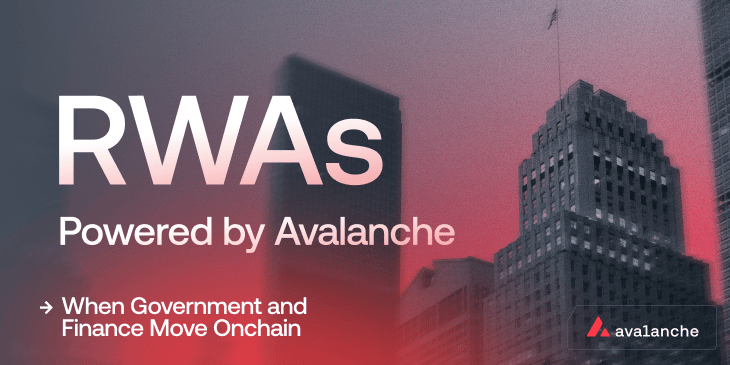
In the third episode of our Avalanche Ecosystems mini-series, we explore one of crypto’s biggest trends: real-world asset (RWA) tokenization. From land records to treasuries and equities, Avalanche enables institutions to create true onchain assets and not just wrappers. With insights from Ava Labs, Balcony, Grove, and Dinari, we explore how Avalanche is powering the next wave of RWA innovation.
We’re back! Here’s what you need to know in web3 today
📈 Markets in the Past 24 Hours
| TICKER | VALUE | 24H | |
|---|---|---|---|
 | Bitcoin | $90,372 | -2.23 % |
 | Ethereum | $3,095.33 | -4.18 % |
 | XRP | $2.02 | -0.90 % |
 | BNB | $882.51 | -0.26 % |
 | Solana | $132.84 | -2.32 % |
Today’s Big Story
Aave Faces Backlash Over DEX Integration Fees
Q4 2025 is turning out to be one to forget for DeFi enthusiasts. The quarter kicked off with mass liquidations on 10/10, followed by the Balancer hack and Stream Finance collapse. Now, to top it all off, Aave is being called out by some of its biggest supporters for secretly privatizing roughly 10% of Aave DAO’s revenue.
The discourse began with questions about Aave’s Cowswap integration and an extra layer of fees; specifically, where interface adapter fees are going.
According to DAO delegate EzR3aL, test transactions show that collected fees are being funneled to a multisignature wallet that is not controlled by Aave DAO, and per their statements in the forums, “on every chain where there is CoWSwap support on the Aave frontend, another entity rather than the Aave DAO is at least receiving 200k$ per week worth of ETH.”
Marc Zeller, the founder of the Aave DAO’s Aavechan Initiative (ACI), has voiced concern on both X and the governance forums.
Zeller called the situation “extremely concerning” on X and on behalf of ACI stated, “Aave Labs, in the pursuit of their own monetization, redirected Aave user volume towards competition. This is unacceptable.”
Aave Labs and founder Stani Kulechov have clarified that “the interface that generates said fees sits entirely outside the protocol the DAO stewards,” and Kulechov said in an X post that “The settlement was conducted in a way where in case there was a better execution than the quote a surplus accumulated, which Aave Labs at that time decided to donate to the Aave DAO in those cases.”
Essentially, Aave Labs and Kulechov maintain that despite prior ‘donations,’ the fees generated by the Cowswap interface and Paraswap adapters have been used for non-protocol-related features, and therefore Aave Labs has the right to monetize these products.
Meanwhile, most DAO delegates feel that this fee accrual would be impossible without the DAO's work or funding, and therefore, the DAO itself is entitled to the revenue.
Stani also stated that the Aave DAO should not fund the development of Aave Labs products and should instead specifically fund protocol-related development.
The dilemma highlights a fundamental disconnect between the founding team and their perceived rights as the development team, and the DAO’s perceived rights as the organizers of ecosystem developments that directly tie into the protocol itself.
This is not the first time DAO drama has occurred, and it certainly won’t be the last, but given Aave’s high standing in the DeFi ecosystem, it calls the DAO model as a whole into question, and whether or not it actually works over long periods of time if the token price is not going up.
Most would admit that DAOs have not lived up to their initial expectations since the concept first emerged in 2017. Unless something significant changes, decentralized ownership of DeFi products is looking more and more like a failed experiment that has succumbed to the same human greed it was meant to fend off.
Squiffs, resident degen at The Defiant
This is an excerpt of the full issue to be published in our Real World newsletter tomorrow.
🎬WATCH
More Than Wrappers | RWAs on Avalanche | Ecosystems, Ep. 3
In our third episode of the Avalanche Ecosystems mini-series, we dive into one of the most important trends in crypto: tokenization of real-world assets (RWAs). From land records to treasuries, private credit, and publicly traded equities, Avalanche is enabling institutions to not just issue onchain wrappers, but to create the real thing. It's tokenization the right way.
With interviews from Luigi D’Onorio DeMeo and Morgan Krupetsky (Ava Labs), Dan Silverman (Balcony), Kevin Chan (Grove) and Gabriel Otte (Dinari), we explore how Avalanche’s architecture is powering a new wave of RWAs across finance, government infrastructure, and consumer applications.
Watch the mini doc here:
This content is part of a media partnership between The Defiant and Ava Labs
Top News in the Past 24 Hours
- DTCC Gets SEC Clearance to Pilot Tokenized U.S. Securities The Depository Trust & Clearing Corporation (DTCC) has received a no-action letter from the U.S. Securities and Exchange Commission (SEC) that allows it to test a new service for creating tokenized versions of assets it already holds. Why it matters: By allowing DTCC to tokenize U.S. stocks, ETFs and Treasury securities, the SEC is opening the door to quicker and more flexible trading while keeping the same investor protections.
- Terra Founder Do Kwon Sentenced to 15 Years in Prison After a multi-year legal battle, Do Kwon, the founder of the defunct algorithmic stablecoin protocol Terra, is set to serve 15 years behind bars. Why it matters: Terra’s $40 billion implosion is considered one of the major catalysts leading to the bear market and FTX collapse in 2022, and to intense regulatory scrutiny of the crypto industry from the United States in 2023.
- Coinbase Says It’s ‘Expanding to Solana’ with Native DEX Trading Coinbase is set to launch on-chain trading of Solana-based tokens directly through a built-in decentralized exchange in its app, bypassing the need for traditional listings. Why it matters: The rollout comes just a month after Coinbase announced its acquisition of Solana-based trading platform Vector to expand its on-chain trading capabilities.
Trending on The Defiant
- Fed Rate Cut Sparks Mixed Moves in Crypto Markets
- Sei Partners With Smartphone Maker Xiaomi
- Payments-Focused Tempo Blockchain Launches Public Testnet
- Arkham’s 'Misleading' Zcash Tracking Claims Spark Outrage
- Crypto Market Rallies Ahead of Fed Meeting
- Swapper Finance Launches Card Deposits to DeFi via Mastercard
That’s it for today — if you enjoyed this newsletter, tell your friends! https://thedefiant.io/subscribe
Free newsletters
Good reporting. Delivered.
Choose your coverage: crypto and DeFi, the future of finance, or both.
Free. Unsubscribe anytime.