NFT Lending Volume Plummets 95% From 2024 High: DappRadar

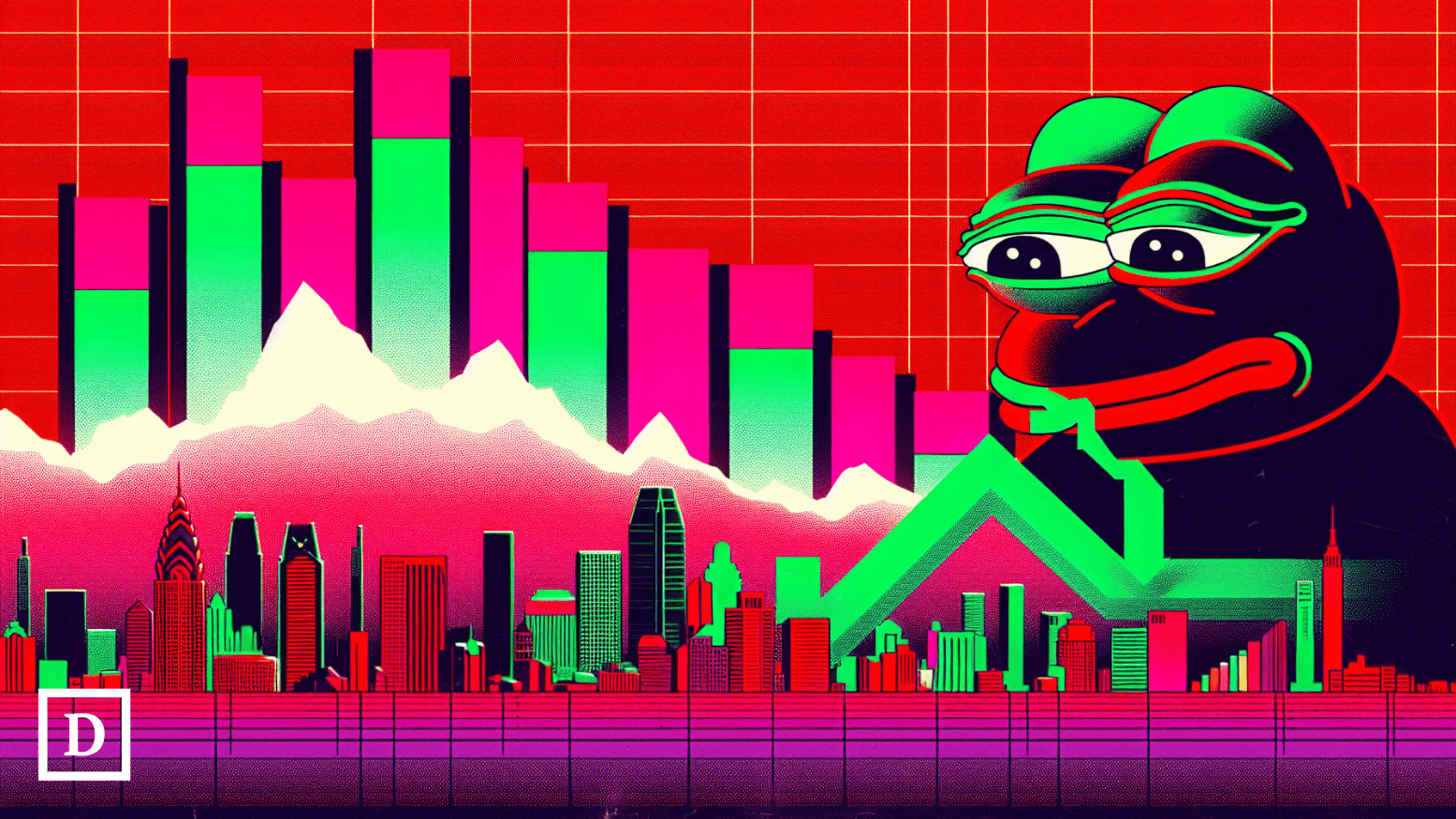
The NFT lending industry is in free fall, with volumes plunging 95% from their all-time high in January 2024.
That’s according to a new report by DappRadar, which found non-fungible token (NFT) lending dropped from about $1 billion that month to just $50 million in May 2025.
There’s a good reason for that: The number of borrowers has dropped 90% from more than 20,000 to just 2,049, and the number of lenders is down 78%, from 3,700 to 828 in that period.
The average amount of the loans has dropped too, dipping from $22,000 in January 2024 to just $4,000.
“It shows that either users are borrowing against lower-value assets or simply becoming more conservative with leverage,” said the report’s author, blockchain analyst Sara Gherghelas. “This isn’t just a drop in usage — it’s a signal that user confidence and collection liquidity have both dried up.”
Cratering Prices
At the core, one big problem is that the value of NFTs has been dropping substantially.
“With collateral value collapsing, the lending activity naturally followed,” Gherghelas said. “There are a few exceptions that managed to hold or regain traction, but they’ve been outliers, not enough to lift the sector.”
Pudgy Penguins leads the exceptions, having generated $203 million in loans since the beginning of 2025. That’s 40% of all NFT-collateralized loans.
“Their steady floor price, expanding IP, and strong community presence have helped maintain their status as a reliable source of liquidity,” Gherghelas said.
Azuki was next, with $85.4 million, followed by Bored Ape Yacht Club at $45.8 million.

GONDI Supplants Blend
Another change is that the Blur’s Blend lending protocol has lost its market dominance, having dropped from 96% at the beginning of the year to just 30%. In its place, GONDI has bloomed, taking 54% of the market.
The report cited a dropoff in the airdrop incentives and high-volume flipping that fueled Blur’s growth.
“In contrast, GONDI has steadily gained ground since Q1 2025, appealing to users seeking a more structured lending experience,” Gherghelas said.
“The current state of NFT lending tells a familiar story: volume is down, user activity has collapsed, and speculative momentum has dried up,” she said. “This isn’t just a cooldown — it’s a restructuring.”
To move beyond what she calls “survival mode,” Gherghelas said the NFT lending market needs new catalysts.
These could include NFTs with real-world assets (RWA) like tokenized real estate or yield-bearing assets, a better UX infrastructure that can “abstract borrowing complexity and respond to user goals,” and moving from a simple peer-to-peer model towards a smarter infrastructure with tools like undercollateralized loans, credit scores and artificial intelligence (AI) risk matching.
“NFT lending isn’t over. It’s evolving,” Gherghelas said. “The hype has cleared out, the short-term flippers are gone, and what remains is something quieter, but potentially more resilient. If the next wave builds on utility, culture, and better design, NFT lending might just find its second wind — one built to last.”
Advertisement
Get an edge in Crypto with our free daily newsletter
Know what matters in Crypto and Web3 with The Defiant Daily newsletter, Mon to Fri
90k+ Defiers informed every day. Unsubscribe anytime.