Converge

Advertisement

Congress Strikes Housing-Bill Deal That Bans Fed CBDC Through 2030

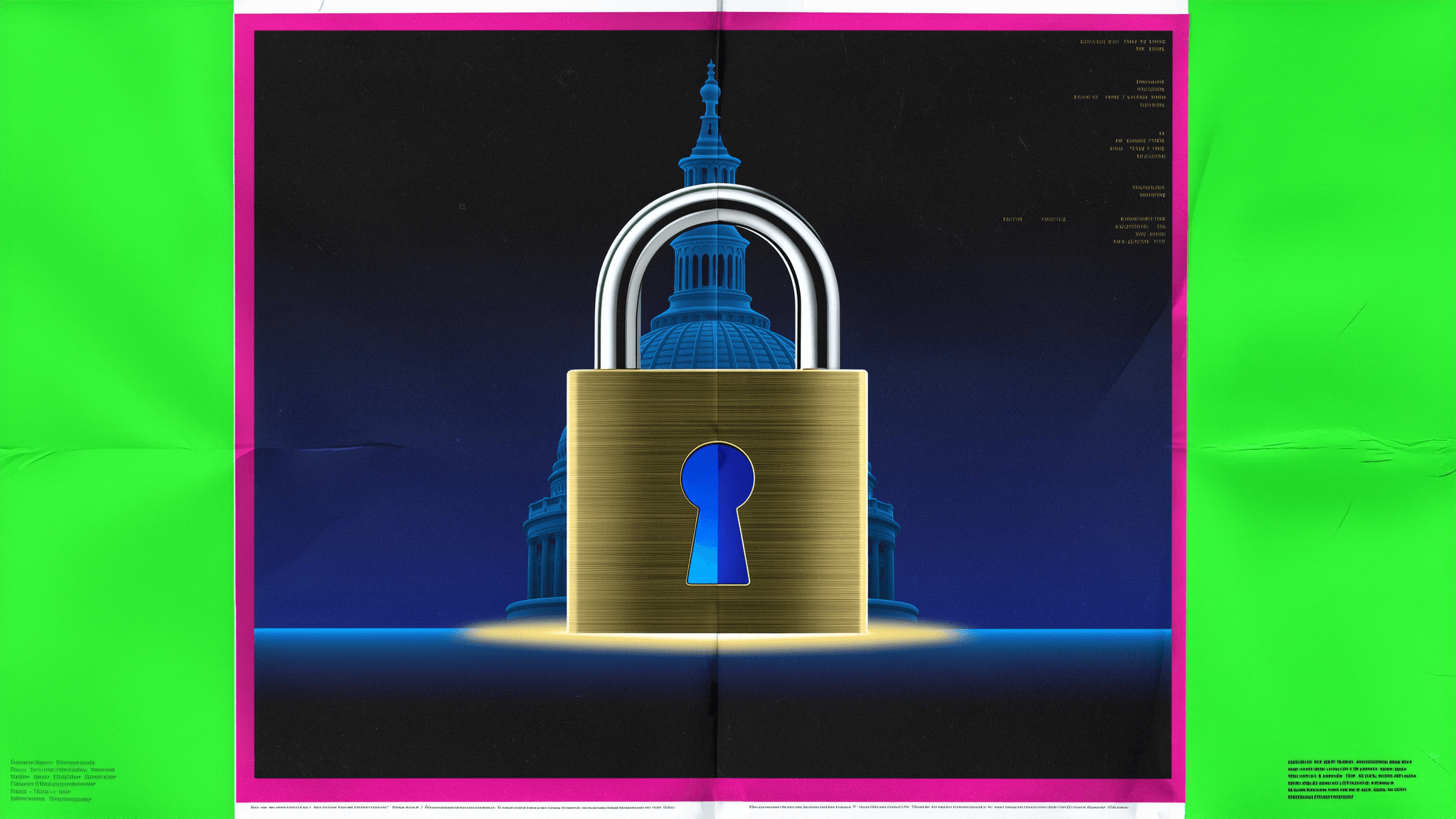
Congressional negotiators folded a statutory ban on a Federal Reserve central bank digital currency into the bipartisan 21st Century ROAD to Housing Act, blocking any Fed-issued retail digital dollar until December 31, 2030. The text now heads back to the Senate floor.
Congress Strikes Housing-Bill Deal That Bans Fed CBDC Through 2030

Congressional negotiators have folded a statutory ban on a Federal Reserve central bank digital currency into a bipartisan housing package, blocking any Fed-issued retail digital dollar until December 31, 2030. The text is the most durable legislative CBDC prohibition yet assembled in Washington.

Senate Banking Chair Tim Scott, Ranking Member Elizabeth Warren, House Financial Services Chair French Hill, and Ranking Member Maxine Waters released updated bill text Tuesday for the 21st Century ROAD to Housing Act, codified as H.R. 6644. The package combines Senate, House, and White House priorities and now returns to the Senate floor for final action. Warren called the package "the biggest housing bill in more than 30 years."

The CBDC Provision

The CBDC section amends the Federal Reserve Act. It states that the Fed "may not issue or create" a central bank digital currency, or any substantially similar asset, either directly or through a bank or other intermediary. The prohibition runs through December 31, 2030, unless Congress acts again.

The bill defines a CBDC as a dollar-denominated digital asset that is U.S. currency, a direct liability of the Federal Reserve System, and widely available to the public. The definition keeps the restriction tight on a Fed-issued retail product while leaving wholesale settlement experiments and private-sector digital dollars outside its reach.

Stablecoins Get a Carveout

The updated text exempts a digital currency that is dollar-denominated, open, permissionless, and private, with privacy protections comparable to physical U.S. currency. That language is designed to keep private stablecoins outside the freeze.

The carveout slots in alongside the GENIUS Act stablecoin framework, which is moving through enforcement, and the Digital Asset Market CLARITY Act, which is still grinding through the Senate. Issuers building toward dollar-pegged tokens on payment rails, including the eight chains recently lit up by Mastercard for card settlement, would compete for years without any Fed-issued digital dollar in the same lane.

Getting To The Deal

The Senate first attached the CBDC ban to the housing package in March, passing it 89-10. The House cleared its amended version 396-13 in May. The chambers spent the months since reconciling differences over institutional homebuyer limits, disaster-recovery block grants, and community banking provisions.

To seal the deal, the Senate accepted a three-year sunset for a disaster-recovery block grant program and adopted House measures including nine community banking bills and language limiting institutional homebuyers. Hill said in the Senate Banking statement that he looks forward to "President Trump signing it into law." Waters said the legislation includes more than 50 housing and banking provisions Democrats fought to secure.

The White House Posture

The anti-CBDC provision sits alongside an executive backdrop that already disfavors a digital dollar. Trump's January 2025 executive order on digital financial technology barred federal agencies from establishing, issuing, or promoting CBDCs except where required by law. The order cited threats to individual privacy and U.S. sovereignty as the rationale.

Treasury Secretary Scott Bessent has reiterated that a Fed digital dollar is off the table under the current administration. The statutory ban would harden that policy into law and outlast the current term.

What's Still In Play

Some House conservatives want a permanent prohibition rather than the 2030 sunset. The Hill reported that Rep. Anna Paulina Luna, a Florida Republican, argues "CBDCs are bad for everyone" and has pushed for the ban to be made permanent. Their leverage in the next round will depend on whether Senate leadership opens the text for further amendment.

The provision also revives parts of the Anti-CBDC Surveillance State Act, the standalone bill championed by House Majority Whip Tom Emmer that cleared the House in earlier sessions but stalled in the Senate. Folding the language into must-pass housing legislation is what gives the current path its durability.

If the package passes in its current form, the U.S. would impose a time-limited statutory bar on a Fed-issued retail digital dollar, and Congress would retain authority to extend, harden, or let lapse the ban before December 31, 2030. The updated text now heads back to the Senate floor.

Advertisement

Subscribe now to level up on the convergence of DeFi / TradFi

A weekly news briefing and in-depth analysis on the highest-signal RWA, tokenization and stablecoin news.

Join 20k+ tokenization leaders and decision makers