JPMorgan's Kinexys Blockchain Hits $4 Trillion, Adds Five APAC Currencies

J.P. Morgan's Kinexys blockchain has crossed $4 trillion in cumulative transactions and added five Asia-Pacific currencies, extending 24/7 settlement to the region's largest trade corridors.
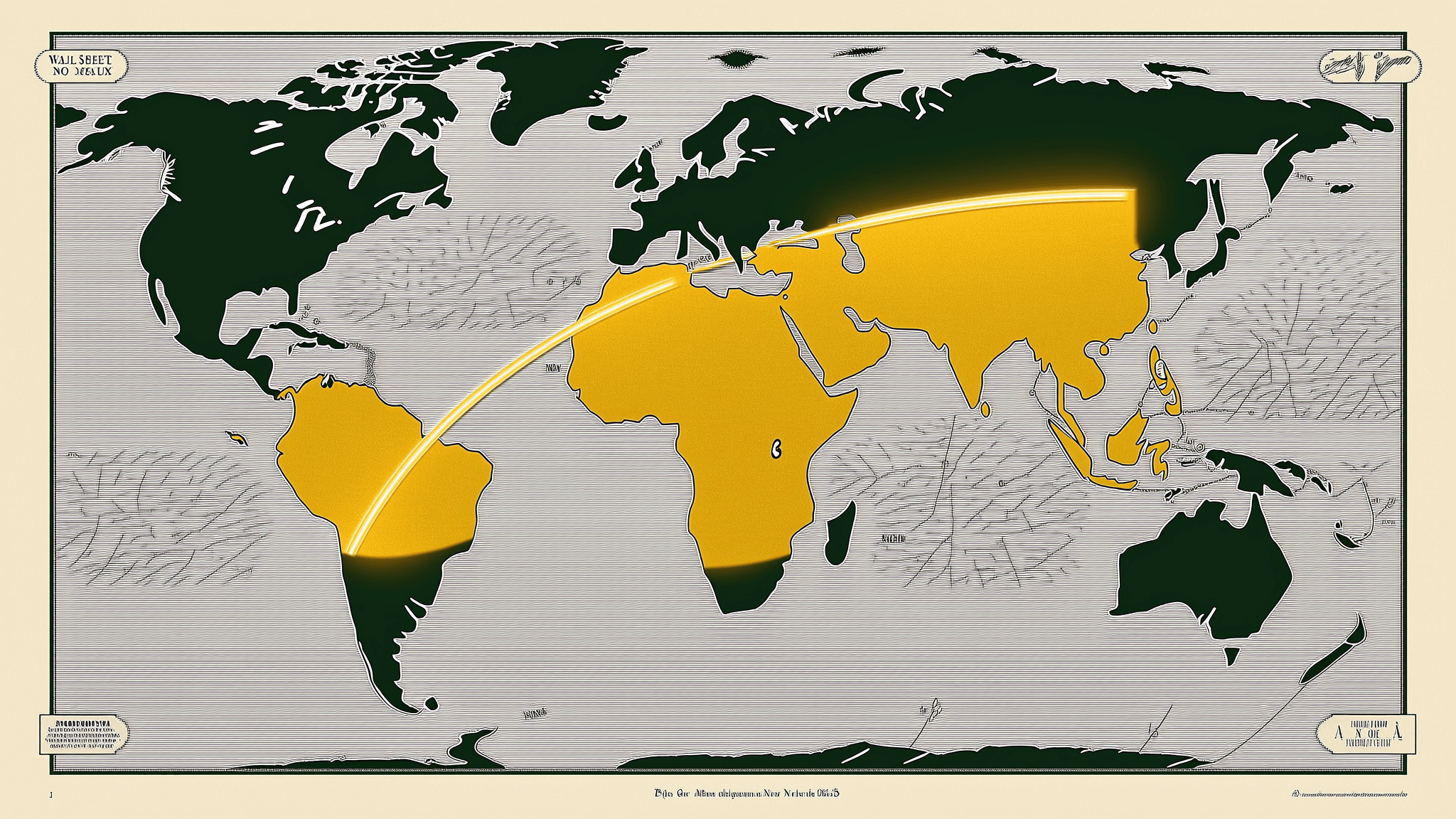
The bank added the Australian dollar, Hong Kong dollar, Japanese yen, Chinese renminbi and Singapore dollar to its Blockchain Deposit Account network on Monday, bringing the total to eight currencies alongside the existing U.S. dollar, euro and British pound, according to CoinDesk. J.P. Morgan says Kinexys has processed more than $4 trillion in transactions since launch, with average daily volume exceeding $7 billion.
Permissioned Blockchain
Kinexys uses a permissioned blockchain to settle transfers between institutional clients around the clock. Clients hold deposits at J.P. Morgan that are represented digitally on-chain, allowing near-instant settlement without leaving the bank's regulated infrastructure. The model is designed to remove the timezone constraints and correspondent-banking queues that slow conventional cross-border payments.
J.P. Morgan also offers JPM Coin, a deposit token issued on Base, Coinbase's Ethereum Layer 2, for clients that want settlement on a public chain alongside the private permissioned network.
First APAC Clients
Payoneer, the cross-border payments fintech, is among the first customers using the Australian dollar service. JERA Global Markets, the commodity-trading joint venture of JERA and EDF Trading, is the first to use the Japanese yen account, citing round-the-clock cash access as an operational advantage for energy traders working across time zones.
Bank Rails vs. Public Chains
Kinexys reached $3 trillion in cumulative volume at $5 billion daily as of April 28, per a J.P. Morgan milestones update. Adding roughly $1 trillion in two months, alongside the APAC expansion, puts the platform at a scale few public-chain settlement networks have matched for institutional use cases.
The permissioned model serves only whitelisted counterparties inside J.P. Morgan's compliance framework, distinguishing it from open stablecoins such as USDC or USDT. That structure is its selling point to regulated institutions: no new counterparty risk, no KYC gap, near-instant settlement inside a banking framework they already operate in. JPMorgan, Citi and Bank of America are also building a shared tokenized deposit network through The Clearing House targeting a 2027 launch, adding another lane for bank-issued digital money that competes with public-chain alternatives.
Advertisement
Subscribe now to level up on the convergence of DeFi / TradFi
A weekly news briefing and in-depth analysis on the highest-signal RWA, tokenization and stablecoin news.
Join 20k+ tokenization leaders and decision makers