What Are Stablecoins?
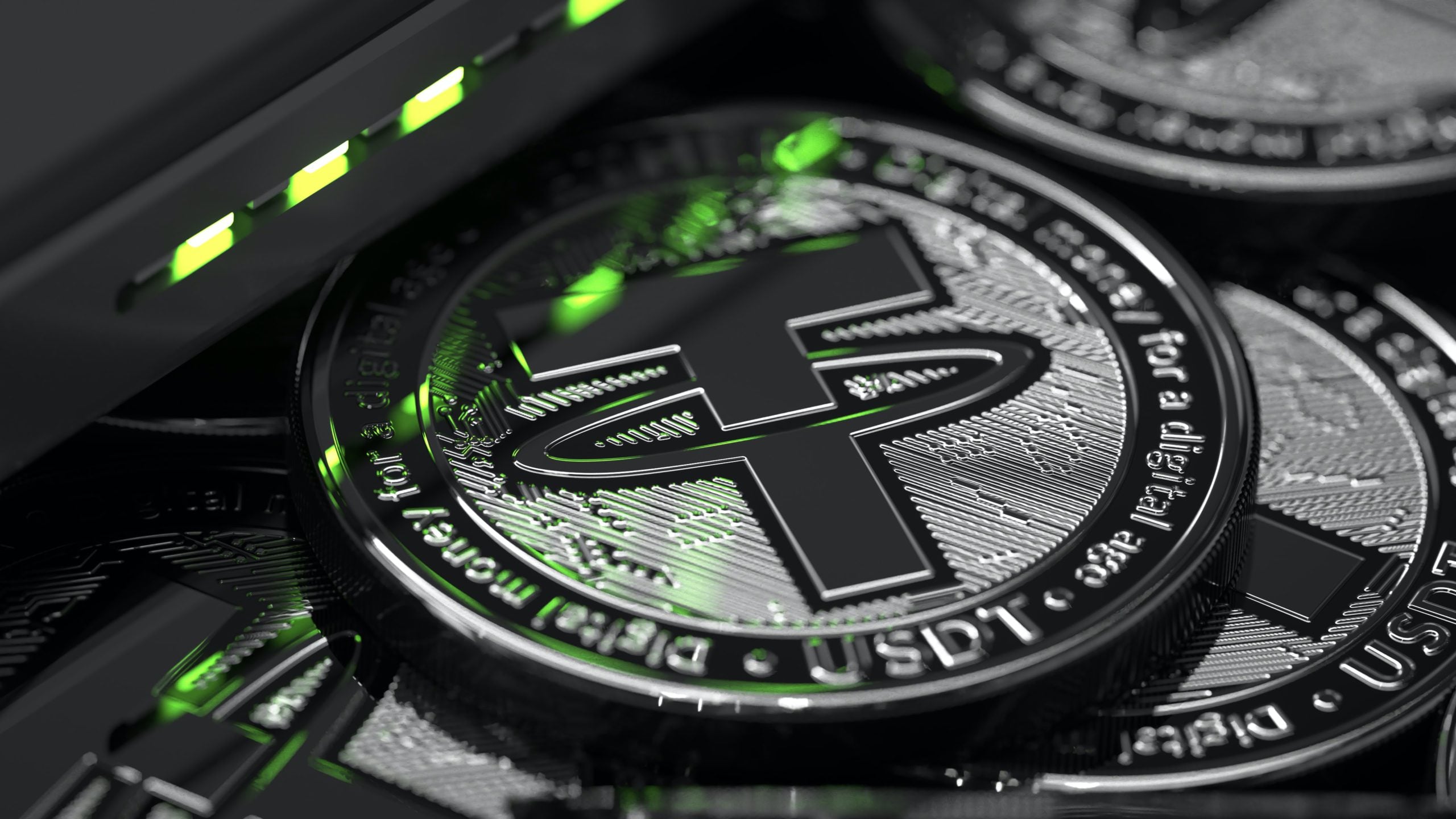
A stablecoin is a crypto asset designed to track a reference value, such as one U.S. dollar. A peg is a target, not a guarantee: the token’s trading price can rise above or fall below it. Dollar-linked stablecoins let traders hold a dollar-linked asset without first converting their crypto holdings into bank deposits.
A dollar target is not the same as access to dollars
For a fiat-backed stablecoin, issuance normally starts when a customer sends funds to the issuer, which mints tokens. Redemption reverses the process: the issuer removes tokens from circulation and returns money under its terms. Buying existing tokens on an exchange instead transfers them from another holder at the market price, which need not be $1. Fees, minimum amounts and processing delays can restrict direct redemption; reserve losses, custody problems or a rush to redeem can also disrupt access to funds and the peg.
What supports the peg?
Stablecoins can use assets held offchain, collateral locked in smart contracts, or mechanisms that adjust token supply to support their pegs. These designs differ in who controls issuance and what, if anything, a holder can redeem. Not every stablecoin is tokenized fiat currency or has a cash reserve.
Fiat-backed reserves
Fiat-backed does not necessarily mean backed entirely by cash. Reserve assets can include government debt, and a reserve attestation is not the same as an audit of the issuer’s full financial statements. USDC issuer Circle’s February 2022 reserve report, for example, covered cash and short-dated U.S. government obligations at a specified date. USDT issuer Tether’s March 2021 reserve disclosure included cash and cash equivalents, as well as commercial paper, secured loans and other investments.
For a dated comparison of reserve assets and access to dollars, see USDT vs. USDC: backing and redemptions.
Crypto collateral and liquidation
Overcollateralization provides a buffer, not a guaranteed peg. In MakerDAO’s vault model, users generate DAI by locking approved collateral, and must repay the DAI plus fees to retrieve it. Minimum collateral ratios vary by vault type; positions that fall below the required ratio can be liquidated. Rapid price declines, failed liquidations or problems with price feeds and smart contracts can still expose the system to losses.
What Terra’s collapse illustrates
TerraUSD (UST) was an algorithmic stablecoin designed to track the U.S. dollar. Unlike a cash-backed token, it relied principally on exchanges with Terra’s volatile native token, LUNA. UST’s peg collapsed in May 2022.
Terra’s design did not give UST holders a right to receive $1 in cash. Instead, it offered conversion into LUNA, whose market price could change. Swap costs, redemption capacity and the liquidity available to sell LUNA could limit how effectively that mechanism supported UST.
The protocol’s mint-and-burn mechanism allowed $1 worth of LUNA to be exchanged for 1 UST, and vice versa, subject to swap costs and limits. Minting created tokens; burning removed them from circulation.
Ignoring fees and trading frictions, the intended arbitrage incentives were:
- Above $1: Traders could burn $1 worth of LUNA to mint 1 UST, then sell that UST at a premium. The additional UST supply was intended to pull its price down toward $1.
- Below $1: Traders could buy discounted UST and burn it to mint $1 worth of LUNA. Removing UST from circulation was intended to lift its price back toward $1.
Luna Foundation Guard (LFG) held Bitcoin and other crypto assets to support UST by buying it in the market. These reserves did not make UST equivalent to a token redeemable on demand for a dollar held in a bank.
A November 2022 forensic report by JS Held, paid for by Terraform Labs, found that LFG used Bitcoin and stablecoin reserves to buy UST during the May 2022 crisis. That intervention did not prevent UST’s collapse.
Holding a stablecoin is different from lending it
Holding stablecoins and lending them are different activities. Lending can generate yield, but the return depends on a platform’s lending or investment activities and comes with additional risks, including borrower default, illiquidity and technical failures. A stablecoin interest account is not the same as an insured bank savings account.
Anchor was a lending protocol on Terra that paid yield on UST deposits, not an FDIC-insured bank savings account. Its returns depended on borrowing income, staking rewards and a yield reserve; depositors also remained exposed to UST losing its dollar peg. A yield quoted in UST could not protect the dollar value of savings when the token lost its peg in May 2022.
Correction (2026-10-31): UST used LUNA mint-and-burn swaps, not an SDR peg; this guide also corrects reserve and collateral guarantees and the Anchor savings analogy, and records Terra’s May 2022 collapse.
Related Posts

Advertisement
Free newsletters
Good reporting. Delivered.
Choose the newsletters you want in your inbox.
Free. Unsubscribe anytime.